
Sophia Wandroski Murito is nine years old and lives with her mother, Vanilda Wandroski, in a rented home in the rural mountainous region of Nova Friburgo. Surrounded by natural beauty, the area also presents challenges common to remote communities: greater distances from services, fewer immediate resources, and limited access to structured activities for children outside school hours.
Vanilda is visually impaired and receives the Continuous Cash Benefit (BPC). At the same time, she works independently as a caregiver to help sustain the household. Her determination reflects a strong commitment to building stability for her daughter, despite the practical and financial pressures of managing a household largely on her own.
With limited involvement from Sophia’s father, Vanilda carries primary responsibility for income, care, and daily decision-making. She also brings with her a deeply personal history, having spent part of her own childhood in institutional foster care. That experience strengthened her resolve to create a different future for Sophia, one marked by safety, affection, and opportunity.
Yet for many single caregivers in rural areas, dedication alone is not enough. Reliable support systems are essential. Without a secure place for Sophia during periods outside school, the family faced risks linked to isolation, reduced social interaction, and fewer opportunities for age-appropriate learning and development.
Humedica Brasil became an important partner in addressing these challenges. Through Sophia’s enrollment in the Service for Coexistence and Strengthening of Bonds (SCFV) at the Campo do Coelho project, the family gained access to a structured environment designed to protect children and promote healthy development.
The program operates in alignment with Brazil’s public social assistance policies and in coordination with the Reference Center for Social Assistance (CRAS), helping identify and support families experiencing vulnerability. This integrated approach strengthens the local protection network while ensuring that services reach those who need them most.
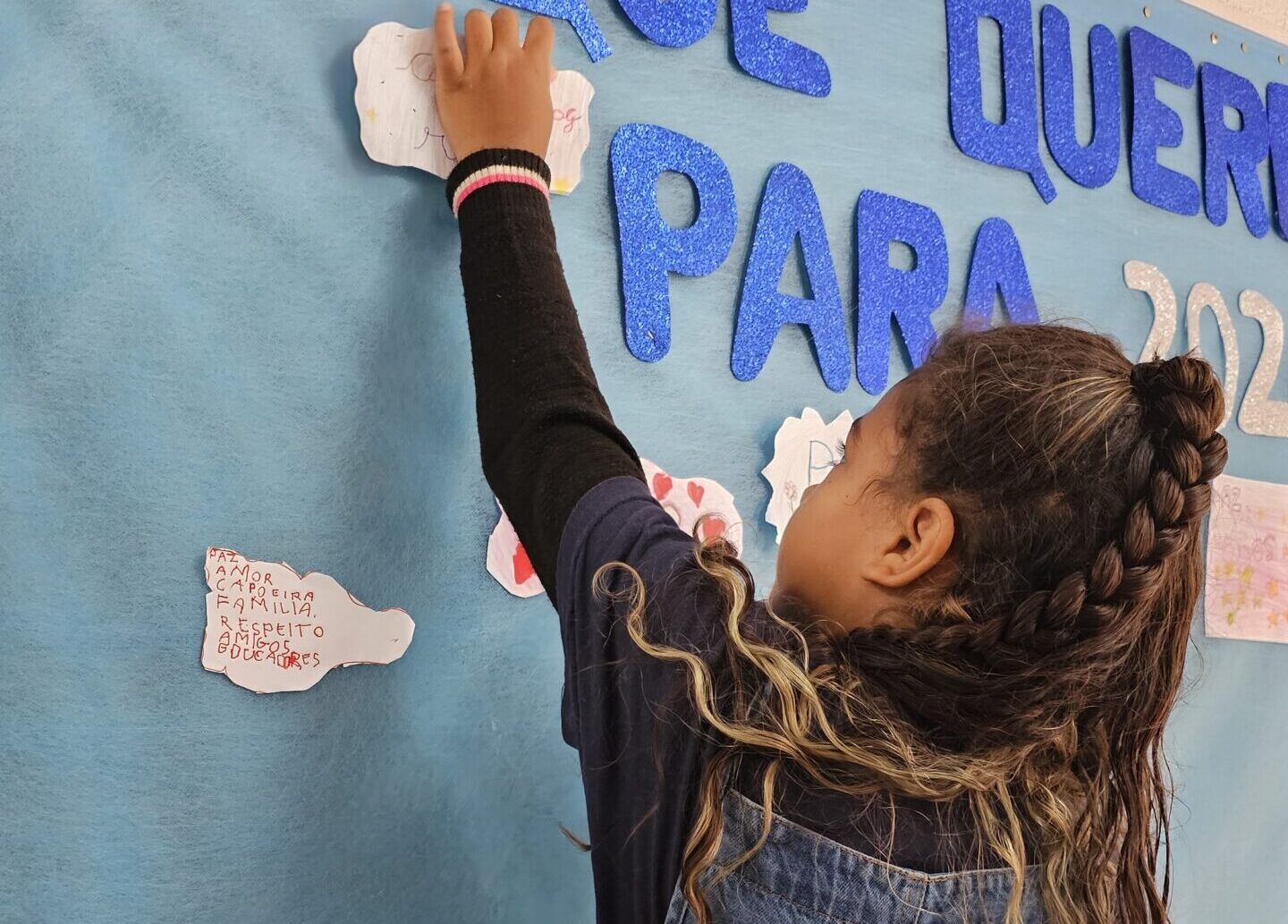
For Sophia, participation in the program has brought visible progress. In a safe and welcoming setting, she has developed stronger social skills and greater confidence in expressing her feelings. She has become an active participant in group activities, building friendships and engaging with children from her community.
One meaningful example of this growth is her participation in cultural presentations, including dance performances in central Nova Friburgo. These moments allow Sophia to experience recognition, joy, and belonging while strengthening her connection to the wider community.
For Vanilda, seeing her daughter on stage represents more than a performance. It is the realization of a long-held aspiration: that Sophia would have access to the protection, education, and opportunities that every child deserves.
The impact extends beyond one family. When children are supported and caregivers are strengthened, communities become more resilient. Sophia’s story demonstrates how collaboration between families, civil society, and public institutions can create lasting results, ensuring that children in rural areas grow with dignity, confidence, and hope.