Maria Leonidas Semiano
Sister Beatriz Semiano, OSF
(1939 – 2025)

Sister Beatriz Semiano’s life and mission are deeply connected to the history of Humedica Brazil. Her work was shaped by faith, long-term commitment, and a consistent dedication to supporting people in situations of vulnerability.

Born on June 27, 1939, in Santa Catarina, Brazil, she joined the Congregation of the Franciscan Sisters of Dillingen at a young age and lived more than 60 years of consecrated religious life. Throughout her journey, she contributed to the human and spiritual formation of religious members, seminarians, and communities. She also played a significant role in education, working in different regions of Brazil and internationally, including serving as a school coordinator and principal.

Over the years, she gained extensive experience working with vulnerable communities, religious groups, and charitable institutions across Brazil and in different parts of the world. This path gave her a broad and well-grounded perspective on social challenges, enabling her to understand local realities while recognizing their connections to wider historical and global dynamics. At the same time, her work remained deeply rooted in empathy, personal commitment, and a genuine sense of care for others.
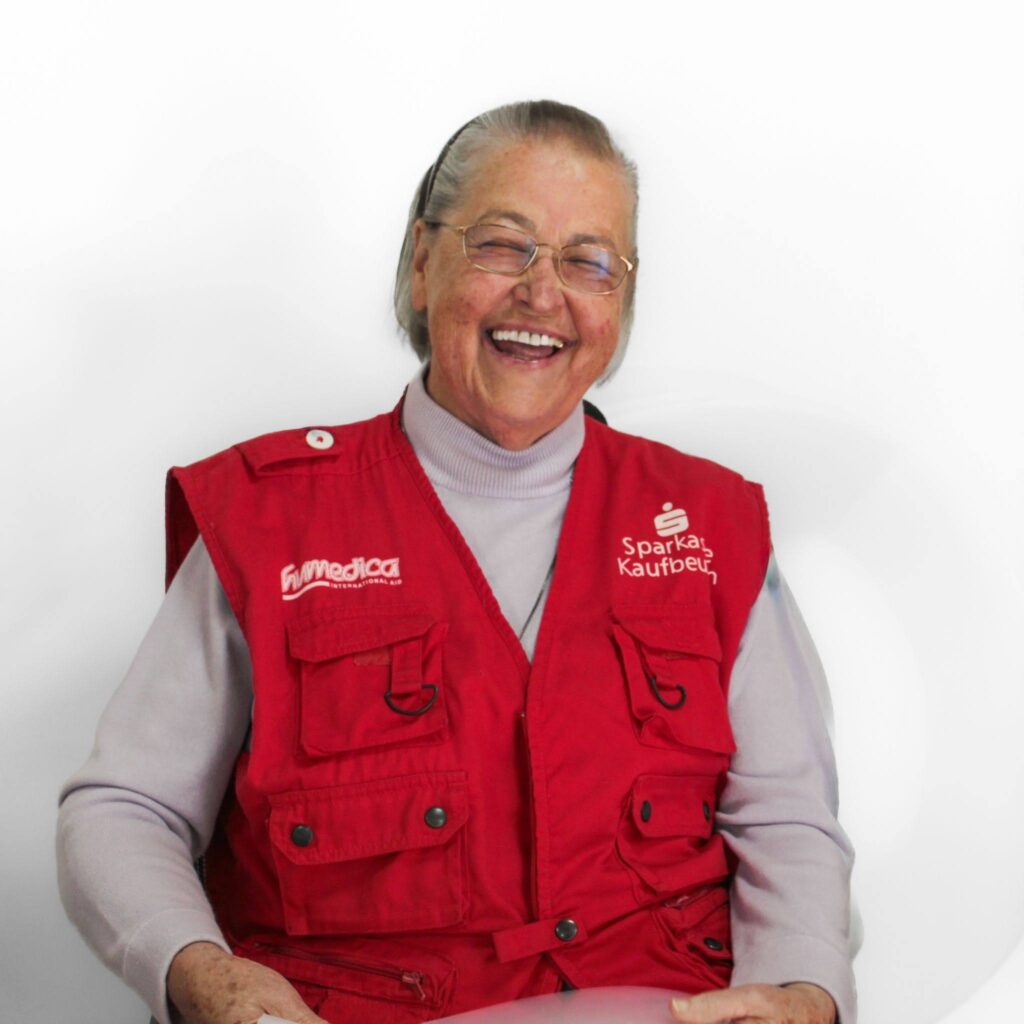
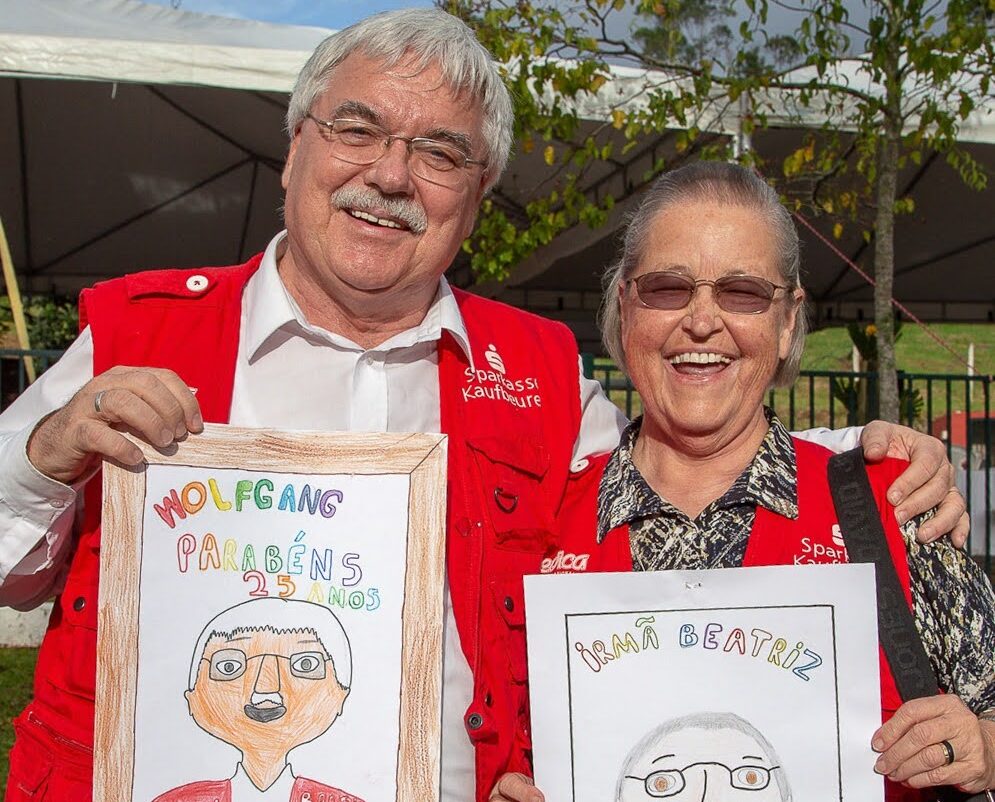
Her involvement in humanitarian work grew through her connection with Humedica International. Before the establishment of Humedica Brazil, she met Wolfgang Gross during one of his visits to the country, when he delivered medical supplies to a hospital run by the Franciscan Sisters in Urubici. This encounter, combined with her experience in social work with children and families, led to the development of a joint initiative in Brazil. In 1994, she co-founded Humedica Brazil alongside Wolfgang Gross.

She went on to lead the organization for several decades, contributing to the development and consolidation of its programs. During this time, Humedica Brazil evolved from a residential care model to a broader community-based approach through the Day Care Center, significantly expanding its reach and impact.

Beyond her formal role, Sister Beatriz played a central part in shaping the organization’s identity. Her values guided both strategic decisions and everyday interactions, reflecting a consistent approach to care, dignity, and inclusion. She was recognized for her clarity of thought and wisdom, as well as her ability to approach complex realities with both critical insight and compassion.

Throughout her life, she remained attentive to social, institutional, and global developments, continuously engaging with the changing contexts of the work she supported. She believed that faith and love should be expressed through concrete actions — especially through service, solidarity, and care for others — and lived this conviction in her daily work.

In her later years, while living in Nova Friburgo, she remained actively involved in the organization, providing psychotherapeutic support to children and families and continuing to contribute at the leadership level. She also supported other social initiatives, including work with individuals recovering from substance dependency, caregivers of elderly people, and the formation of young people.

She also contributed to Humedica’s international network, participating in exchanges and dialogue across different humanitarian contexts.

Sister Beatriz passed away on February 20, 2025, at the age of 85, leaving behind a legacy of long-term service, institutional development, and commitment to humanitarian principles. Her contribution continues to be reflected in the ongoing work of Humedica Brazil and in the lives of those reached by the organization’s programs.

–

Portuguese Version (To be reviewed by our local team):

Maria Leonidas Semiano
Irmã Beatriz, OSF
(1939 – 2025)

A vida e a missão de Irmã Beatriz Semiano estão profundamente conectadas à história da Humedica Brasil. Sua trajetória foi marcada pela fé, pelo compromisso de longo prazo e por uma dedicação constante ao apoio de pessoas em situação de vulnerabilidade.

Nascida em 27 de junho de 1939, em Santa Catarina, ingressou ainda jovem na Congregação das Irmãs Franciscanas de Dillingen, onde viveu mais de 60 anos de vida religiosa consagrada. Ao longo de sua caminhada, contribuiu para a formação humana e espiritual de religiosos, seminaristas e comunidades. Também teve atuação significativa na área da educação, trabalhando em diferentes regiões do Brasil e em contextos internacionais, inclusive como coordenadora e diretora escolar.

Ao longo dos anos, adquiriu ampla experiência trabalhando com comunidades vulneráveis, grupos religiosos e instituições caritativas no Brasil e em diferentes partes do mundo. Essa trajetória lhe proporcionou uma visão ampla e bem fundamentada dos desafios sociais, permitindo compreender as realidades locais ao mesmo tempo em que reconhecia suas conexões com contextos históricos e dinâmicas globais mais amplas. Ao mesmo tempo, sua atuação esteve sempre enraizada na empatia, no compromisso pessoal e em um genuíno cuidado com o outro.

Seu envolvimento com o trabalho humanitário se fortaleceu por meio de sua conexão com a Humedica Internacional. Antes da fundação da Humedica Brasil, conheceu Wolfgang Gross durante uma de suas visitas ao país, quando ele trouxe uma carga de medicamentos para um hospital administrado pelas Irmãs Franciscanas em Urubici. Esse encontro, aliado à sua experiência no trabalho social com crianças e famílias, deu origem ao desenvolvimento de uma iniciativa conjunta no Brasil. Em 1994, foi cofundadora da Humedica Brasil ao lado de Wolfgang Gross.

Ela esteve à frente da organização por várias décadas, contribuindo para o desenvolvimento e a consolidação de seus programas. Nesse período, a Humedica Brasil evoluiu de um modelo de acolhimento residencial para uma abordagem comunitária mais ampla por meio do Day Care Center, ampliando significativamente seu alcance e impacto.

Para além de sua função formal, Irmã Beatriz teve um papel central na construção da identidade da instituição. Seus valores orientavam tanto as decisões estratégicas quanto as relações do cotidiano, refletindo uma atuação consistente pautada no cuidado, na dignidade e na inclusão. Era reconhecida por sua clareza de pensamento e sabedoria, bem como por sua capacidade de lidar com realidades complexas com olhar crítico e sensível.

Ao longo de toda a sua vida, manteve-se atenta às transformações sociais, institucionais e globais, acompanhando de perto os contextos em constante mudança das iniciativas das quais fazia parte. Acreditava que a fé e o amor devem se expressar em ações concretas — especialmente por meio do serviço, da solidariedade e do cuidado com o próximo — e viveu esse princípio em sua prática cotidiana.

Nos últimos anos, já residindo em Nova Friburgo, manteve uma participação ativa na instituição, contribuindo com atendimentos psicoterapêuticos às crianças e famílias atendidas, além de seguir colaborando em nível de direção. Paralelamente, também apoiou outras iniciativas sociais, incluindo o trabalho com pessoas em processo de recuperação da dependência química, o acompanhamento de cuidadores de idosos e a formação humana e espiritual de jovens.

Também contribuiu com a rede internacional da Humedica, participando de intercâmbios e diálogos em diferentes contextos humanitários.

Irmã Beatriz faleceu em 20 de fevereiro de 2025, aos 85 anos, deixando um legado de serviço contínuo, desenvolvimento institucional e compromisso com princípios humanitários. Sua contribuição segue presente no trabalho desenvolvido diariamente pela Humedica Brasil e na vida de todos aqueles alcançados por suas ações.
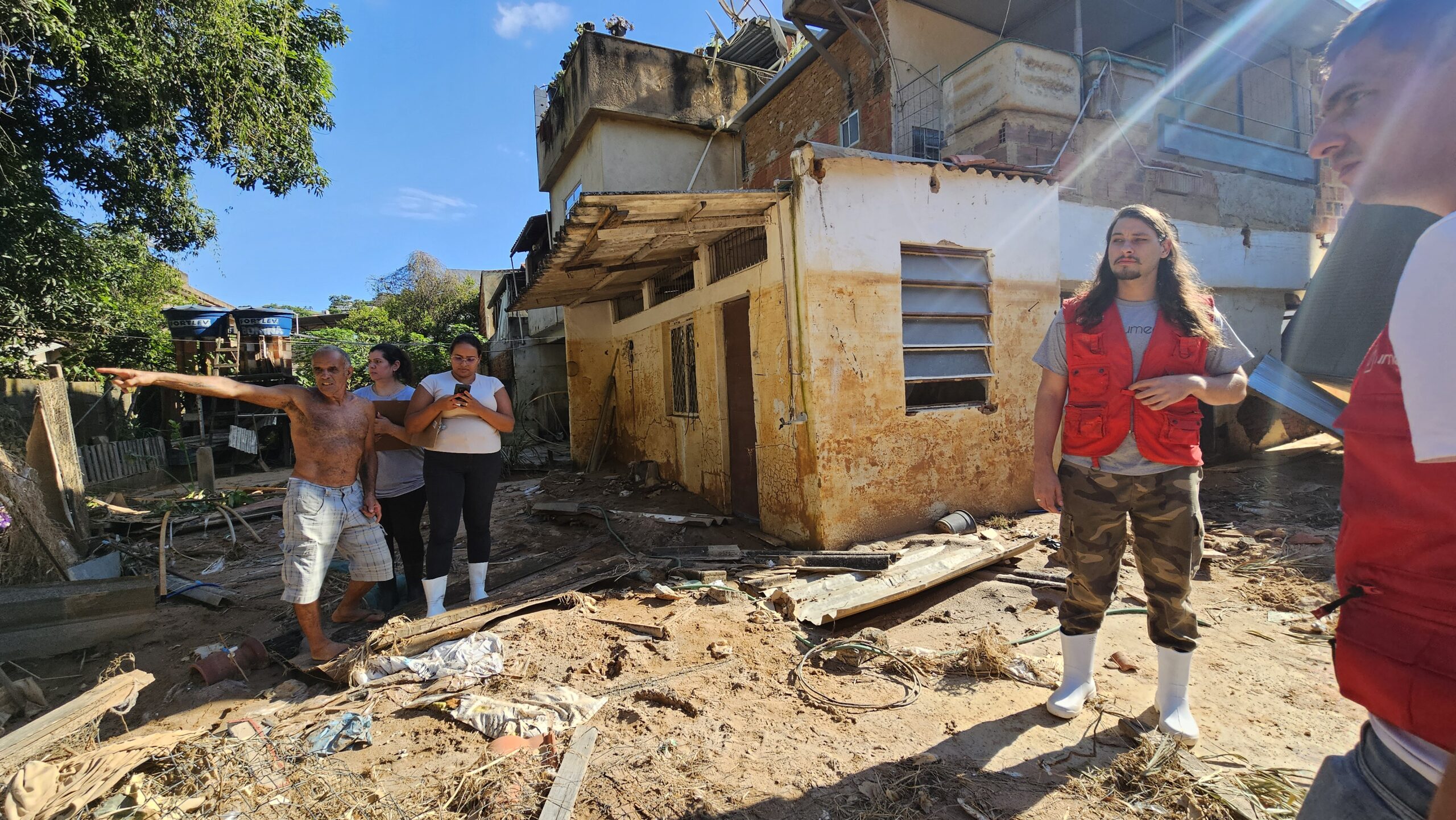
João Barros, 70, had built a quiet and independent life in Ubá, Minas Gerais. Like many older adults, his home represented far more than a physical structure. It held memories, security, and the routine of everyday life. In 2026, that stability was abruptly disrupted when severe floods affected the municipality and caused widespread damage across vulnerable neighborhoods.

When the waters receded, João returned to a devastating scene. The force of the flood had pushed furniture and belongings out into the street. Inside the house, approximately 60 centimeters of mud covered the floors. Essential household items had been destroyed, along with legal documents and many personal possessions accumulated over decades.

For an older person living alone, the impact of such sudden loss can be overwhelming. Beyond the physical damage, disasters often bring emotional distress, uncertainty, and isolation. Yet João’s experience also became a story of resilience and determination.

Amid the destruction, he found strength in small but deeply meaningful moments. One of the first things he noticed was that a small shrine dedicated to Our Lady of Aparecida remained intact, even after the room had been submerged. For João, this discovery brought comfort and renewed faith during an extremely difficult time.

Soon after, another source of relief emerged. His dog, Nina, had survived the flood. She was found alive after floating on a mattress that had come to rest on top of a wardrobe. In the midst of chaos, these signs of survival offered João emotional stability and the courage to continue.

As families across Ubá began coping with the aftermath, Humedica Brasil mobilized emergency assistance in coordination with the local Social Development Secretariat. This joint response helped ensure that support reached households in greatest need through an organized and transparent process connected to existing public services.

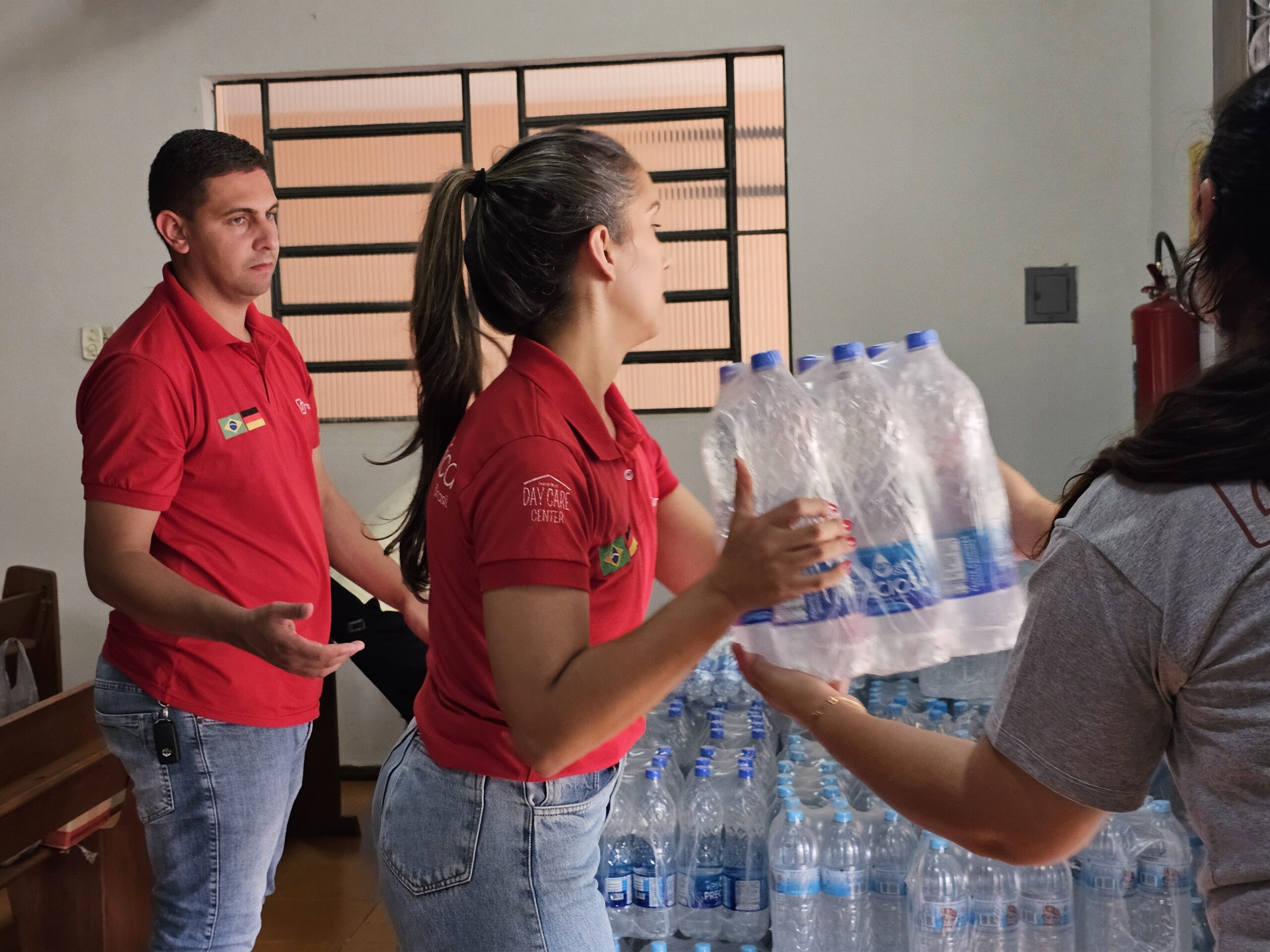
During the operation, more than 3,400 kilograms of food and 3,000 liters of drinking water were distributed to affected communities. Hygiene kits, blankets, and clothing were also delivered to help stabilize living conditions for approximately 200 families.

For João and others facing severe losses, this assistance was essential. Access to food, safe water, and basic supplies reduced immediate pressure and created conditions for the first steps of recovery. Just as important was the presence of humanitarian teams who listened, guided, and stood alongside residents during a moment of uncertainty.

João’s story highlights that disaster response is not only about replacing material goods. It is also about protecting dignity, reducing isolation, and helping people regain confidence to rebuild.

Even after losing so much, João remained committed to restoring his home and continuing his life with determination. His experience shows how coordinated humanitarian action, combined with community solidarity and public partnership, can strengthen resilience when families face sudden crisis.

Davi Pimenta is nine years old and lives in a context where economic hardship has shaped many aspects of daily life. His family depends largely on informal work, and periods of financial instability have at times affected access to regular meals, predictable routines, and consistent childcare. For children, these conditions can create barriers to healthy emotional, social, and physical development.

Davi’s mother is attentive and deeply committed to his wellbeing. She works in the agricultural sector to support the household, often in demanding conditions that may involve exposure to agrochemicals and long working hours. Without safe alternatives for childcare, Davi frequently accompanied her to work sites.

Although remaining close to his mother was important, these environments were not designed for children. They offered limited opportunities for play, learning, rest, or social interaction. Over time, the absence of structured routines and secure spaces contributed to behavioral difficulties. Davi showed signs of emotional insecurity and often reacted to conflict with impulsive physical responses.

In early 2024, Davi returned to Humedica Brasil through the Service for Coexistence and Strengthening of Bonds (SCFV). The program offered what many vulnerable children need most: a safe, welcoming, and predictable environment where they could be protected while building confidence and social skills.

At the center, Davi began participating in daily activities guided by trained educators and technical staff. Beyond supervision, the support was holistic. Recognizing the importance of nutrition in child development, a volunteer nutritionist helped establish an individualized food plan to support his growth, concentration, and overall health.

The team also monitored his emotional and behavioral progress closely. During workshops such as capoeira, educators initially observed aggressive play patterns and difficulty regulating reactions. However, rather than responding with punishment, staff used trauma-informed approaches grounded in empathy, consistency, and positive guidance.

Humedica Brasil also played an important coordinating role with the broader public service network. With family guidance and referrals, Davi gained access to specialized psychiatric and psychological support through local services, including CAPSi. This integrated approach ensured that educational, social, and health needs were addressed together.

One meaningful moment reflected how far Davi had progressed. After discovering a small lizard inside a toy box, he did not respond impulsively or aggressively, as might once have happened. Instead, he expressed concern and wanted to protect the animal. It was a simple interaction, but it revealed growing empathy, emotional regulation, and a sense of inner security.

Today, Davi increasingly understands that he can rely on trusted adults when difficulties arise. Rather than using physical defense, he now seeks educators for support, explains what happened, and asks for help.

Davi’s journey demonstrates the value of coordinated child protection services that combine safe spaces, qualified care, nutrition, and access to health networks. Through sustained support, Humedica Brasil is helping children like Davi build stronger foundations for learning, wellbeing, and full social inclusion.

Sophia Wandroski Murito is nine years old and lives with her mother, Vanilda Wandroski, in a rented home in the rural mountainous region of Nova Friburgo. Surrounded by natural beauty, the area also presents challenges common to remote communities: greater distances from services, fewer immediate resources, and limited access to structured activities for children outside school hours.

Vanilda is visually impaired and receives the Continuous Cash Benefit (BPC). At the same time, she works independently as a caregiver to help sustain the household. Her determination reflects a strong commitment to building stability for her daughter, despite the practical and financial pressures of managing a household largely on her own.

With limited involvement from Sophia’s father, Vanilda carries primary responsibility for income, care, and daily decision-making. She also brings with her a deeply personal history, having spent part of her own childhood in institutional foster care. That experience strengthened her resolve to create a different future for Sophia, one marked by safety, affection, and opportunity.

Yet for many single caregivers in rural areas, dedication alone is not enough. Reliable support systems are essential. Without a secure place for Sophia during periods outside school, the family faced risks linked to isolation, reduced social interaction, and fewer opportunities for age-appropriate learning and development.

Humedica Brasil became an important partner in addressing these challenges. Through Sophia’s enrollment in the Service for Coexistence and Strengthening of Bonds (SCFV) at the Campo do Coelho project, the family gained access to a structured environment designed to protect children and promote healthy development.

The program operates in alignment with Brazil’s public social assistance policies and in coordination with the Reference Center for Social Assistance (CRAS), helping identify and support families experiencing vulnerability. This integrated approach strengthens the local protection network while ensuring that services reach those who need them most.

For Sophia, participation in the program has brought visible progress. In a safe and welcoming setting, she has developed stronger social skills and greater confidence in expressing her feelings. She has become an active participant in group activities, building friendships and engaging with children from her community.

One meaningful example of this growth is her participation in cultural presentations, including dance performances in central Nova Friburgo. These moments allow Sophia to experience recognition, joy, and belonging while strengthening her connection to the wider community.

For Vanilda, seeing her daughter on stage represents more than a performance. It is the realization of a long-held aspiration: that Sophia would have access to the protection, education, and opportunities that every child deserves.

The impact extends beyond one family. When children are supported and caregivers are strengthened, communities become more resilient. Sophia’s story demonstrates how collaboration between families, civil society, and public institutions can create lasting results, ensuring that children in rural areas grow with dignity, confidence, and hope.

Gael Guzzo Noronha is six years old and lives in Campo do Coelho, a district in the mountainous region of Rio de Janeiro. Like many children growing up in vulnerable contexts, Gael’s earliest years were shaped by instability and emotional challenges. Following his parents’ separation, he was raised solely by his father, Renan Silva Noronha dos Santos, who became both provider and primary caregiver.

Renan works as a gas station attendant and gardener, taking on multiple responsibilities to support his household. While committed to giving his son the best possible future, he faced the daily challenge shared by many working parents: how to balance employment with childcare when safe, structured services are limited.

Without a secure place for Gael to stay during the day, the child often accompanied his father to different work sites. Although they remained together, the environment was not designed for early childhood development. Opportunities for play, learning, and interaction with peers were scarce. Over time, Gael became increasingly quiet and withdrawn. He tended to observe from a distance rather than join in with other children, expressing himself through silence rather than words.

In 2024, a new chapter began when Gael enrolled in Humedica Brasil’s Service for Coexistence and Strengthening of Bonds (SCFV). Implemented in partnership with the municipal social assistance network, the program offers children a safe and welcoming environment where they can build confidence, develop social skills, and experience consistent care.

For Gael, this stability was transformative. Through daily routines, caring professionals, and activities designed for childhood development, he began to feel secure enough to participate and connect with others. The program gave him opportunities not only to be protected, but also to be seen for his potential.

One of the most visible changes emerged during capoeira workshops. At first, Gael hesitated to join activities and would not enter the roda, the traditional circle where participants practice movement, rhythm, and music. Gradually, however, he gained confidence. With encouragement and patience, he started taking part and expressing himself physically through movement and rhythm.

A defining moment came when Gael voluntarily asked to sing in the roda. For a child who had once remained silent and distant, this was a powerful sign of emotional growth and trust. It reflected not only confidence, but a willingness to be heard.

His progress has extended beyond capoeira. In music classes, Gael now participates actively and even helps classmates during instrument activities. He is no longer only an observer. He is engaged, communicative, and connected.

The impact has also reached his father. Knowing that Gael is safe, supported, and learning each day allows Renan to work with greater peace of mind and stability.

Gael’s journey shows how coordinated social protection services can change the trajectory of a child’s life. Through the SCFV, Humedica Brasil is helping children build resilience, strengthen relationships, and grow with dignity, confidence, and hope.

Elizabeth Maine Machado, 44, lives in Ilha dos Marinheiros, a riverside community in Rio Grande do Sul known for the strength and solidarity of its residents. A mother, worker in the recycling sector, and leader of a local mothers’ group, Elizabeth has long dedicated herself to supporting others. In 2024, when devastating floods hit the state, she found herself confronting one of the greatest challenges her community had ever faced.

As water levels rose rapidly, Ilha dos Marinheiros became completely isolated. Roads disappeared, transport stopped, and communication with the mainland became difficult. For 32 days, residents were cut off from regular support systems. From the roof of her home, Elizabeth watched the floodwaters spread across streets, homes, and workplaces. Around 1,800 families on the island saw their daily lives interrupted by the disaster.

The destruction of infrastructure created an urgent humanitarian crisis. Safe drinking water quickly became one of the community’s most pressing needs. Without functioning supply systems, many families had no choice but to collect river water in buckets and carry it back to their homes. This water was used for cooking, bathing, cleaning, and other essential tasks.

For Elizabeth, the burden was especially heavy. Her household included 12 people, among them her elderly father, who had returned from a shelter only to find his home severely damaged. Meeting the daily needs of such a large family under emergency conditions required strength, patience, and determination. Like many residents, Elizabeth also felt the emotional weight of abandonment, as the community waited for outside assistance while trying to protect one another.

Humedica Brasil responded with practical and coordinated support focused on one of the most urgent priorities: access to safe water. Working alongside partners, the organization delivered PAUL units, portable water filtration systems designed for emergency settings. These systems enabled families to purify water locally and safely, reducing health risks and easing the physical burden of transporting untreated water.

For households beginning the difficult process of returning home, the impact was immediate. Clean water meant safer meals, improved hygiene, and greater protection for children, older adults, and people with health vulnerabilities. It also provided a foundation for recovery at a moment when many public services were still disrupted.

For Elizabeth, the arrival of the filters represented more than a technical solution. It was proof that her community had been seen and remembered. After weeks of isolation, that message mattered deeply. She described how the support helped restore motivation and gave families renewed energy to move forward.

The response in Rio Grande do Sul ultimately reached more than 7,000 people and supported approximately 2,300 families in hard-to-reach areas. Yet behind every number is a family rebuilding its life, and a community reclaiming its future.

Elizabeth’s story reflects the resilience of Ilha dos Marinheiros and the importance of professional humanitarian action that reaches people where they are. With safe water restored, recovery could begin, and hope could return.