Elizabeth Maine Machado, 44, lives in Ilha dos Marinheiros, a riverside community in Rio Grande do Sul known for the strength and solidarity of its residents. A mother, worker in the recycling sector, and leader of a local mothers’ group, Elizabeth has long dedicated herself to supporting others. In 2024, when devastating floods hit the state, she found herself confronting one of the greatest challenges her community had ever faced.
As water levels rose rapidly, Ilha dos Marinheiros became completely isolated. Roads disappeared, transport stopped, and communication with the mainland became difficult. For 32 days, residents were cut off from regular support systems. From the roof of her home, Elizabeth watched the floodwaters spread across streets, homes, and workplaces. Around 1,800 families on the island saw their daily lives interrupted by the disaster.
The destruction of infrastructure created an urgent humanitarian crisis. Safe drinking water quickly became one of the community’s most pressing needs. Without functioning supply systems, many families had no choice but to collect river water in buckets and carry it back to their homes. This water was used for cooking, bathing, cleaning, and other essential tasks.
For Elizabeth, the burden was especially heavy. Her household included 12 people, among them her elderly father, who had returned from a shelter only to find his home severely damaged. Meeting the daily needs of such a large family under emergency conditions required strength, patience, and determination. Like many residents, Elizabeth also felt the emotional weight of abandonment, as the community waited for outside assistance while trying to protect one another.
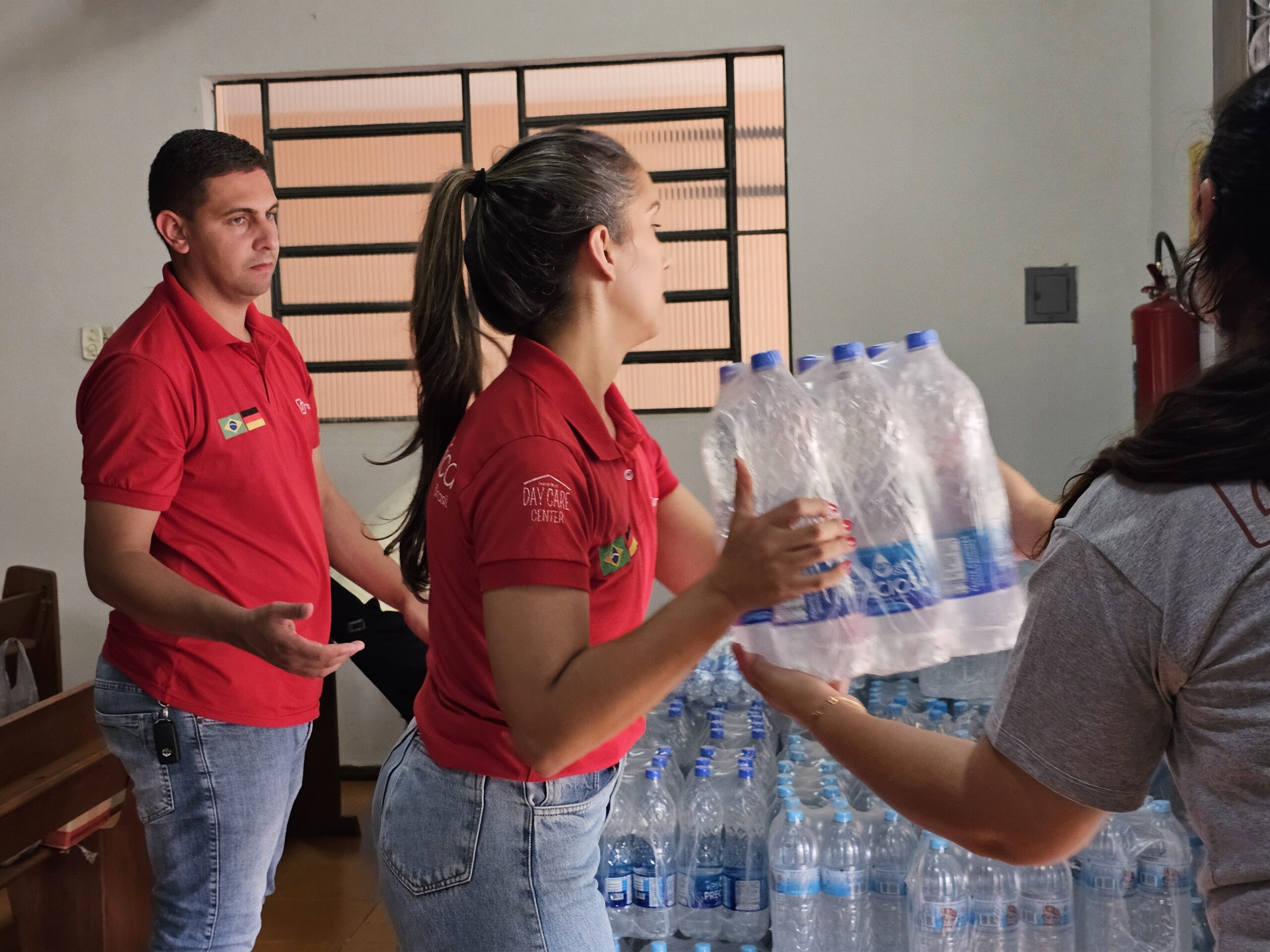
Humedica Brasil responded with practical and coordinated support focused on one of the most urgent priorities: access to safe water. Working alongside partners, the organization delivered PAUL units, portable water filtration systems designed for emergency settings. These systems enabled families to purify water locally and safely, reducing health risks and easing the physical burden of transporting untreated water.
For households beginning the difficult process of returning home, the impact was immediate. Clean water meant safer meals, improved hygiene, and greater protection for children, older adults, and people with health vulnerabilities. It also provided a foundation for recovery at a moment when many public services were still disrupted.
For Elizabeth, the arrival of the filters represented more than a technical solution. It was proof that her community had been seen and remembered. After weeks of isolation, that message mattered deeply. She described how the support helped restore motivation and gave families renewed energy to move forward.
The response in Rio Grande do Sul ultimately reached more than 7,000 people and supported approximately 2,300 families in hard-to-reach areas. Yet behind every number is a family rebuilding its life, and a community reclaiming its future.
Elizabeth’s story reflects the resilience of Ilha dos Marinheiros and the importance of professional humanitarian action that reaches people where they are. With safe water restored, recovery could begin, and hope could return.