
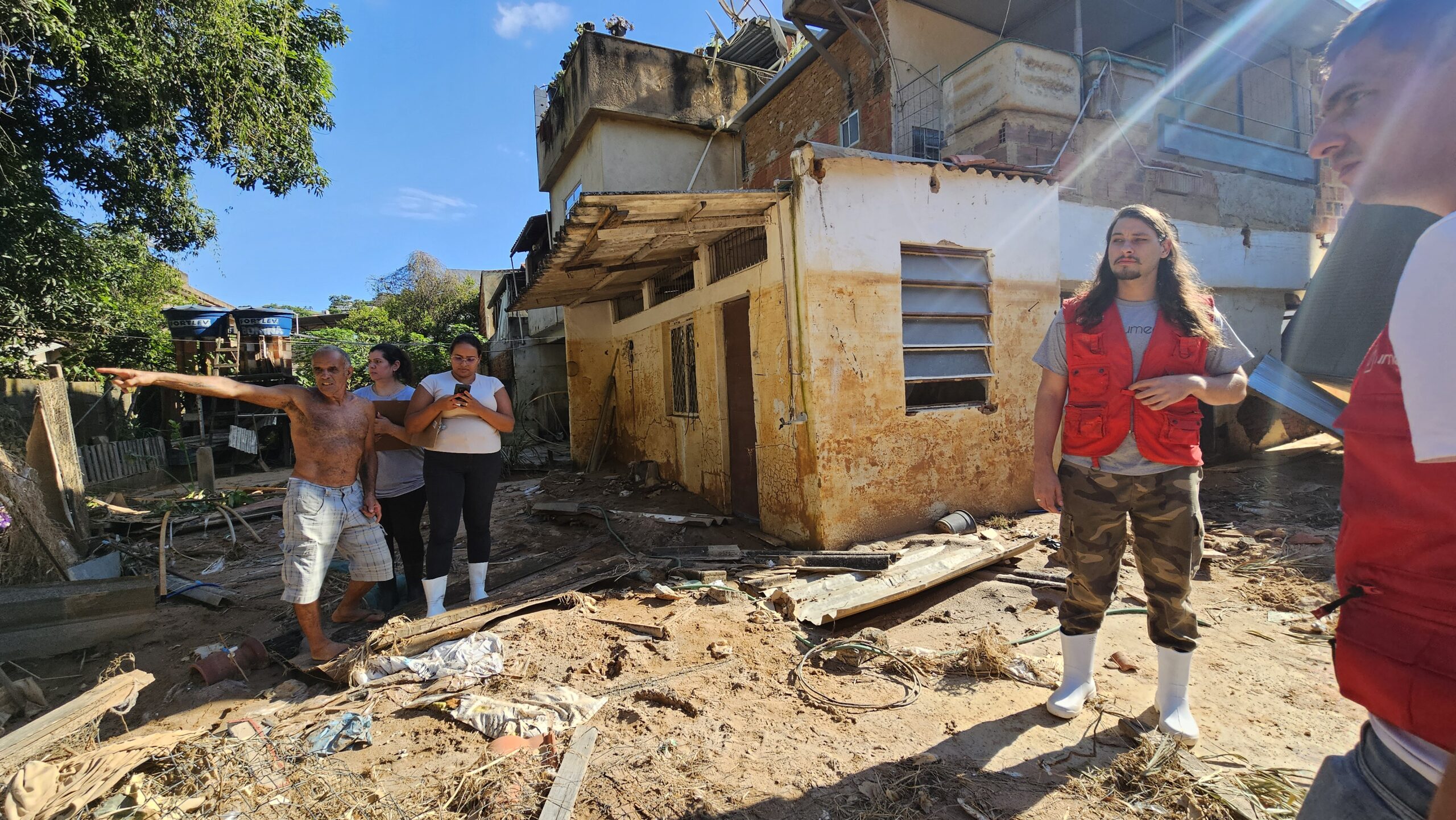
João Barros, 70, had built a quiet and independent life in Ubá, Minas Gerais. Like many older adults, his home represented far more than a physical structure. It held memories, security, and the routine of everyday life. In 2026, that stability was abruptly disrupted when severe floods affected the municipality and caused widespread damage across vulnerable neighborhoods.
When the waters receded, João returned to a devastating scene. The force of the flood had pushed furniture and belongings out into the street. Inside the house, approximately 60 centimeters of mud covered the floors. Essential household items had been destroyed, along with legal documents and many personal possessions accumulated over decades.
For an older person living alone, the impact of such sudden loss can be overwhelming. Beyond the physical damage, disasters often bring emotional distress, uncertainty, and isolation. Yet João’s experience also became a story of resilience and determination.
Amid the destruction, he found strength in small but deeply meaningful moments. One of the first things he noticed was that a small shrine dedicated to Our Lady of Aparecida remained intact, even after the room had been submerged. For João, this discovery brought comfort and renewed faith during an extremely difficult time.
Soon after, another source of relief emerged. His dog, Nina, had survived the flood. She was found alive after floating on a mattress that had come to rest on top of a wardrobe. In the midst of chaos, these signs of survival offered João emotional stability and the courage to continue.
As families across Ubá began coping with the aftermath, Humedica Brasil mobilized emergency assistance in coordination with the local Social Development Secretariat. This joint response helped ensure that support reached households in greatest need through an organized and transparent process connected to existing public services.
During the operation, more than 3,400 kilograms of food and 3,000 liters of drinking water were distributed to affected communities. Hygiene kits, blankets, and clothing were also delivered to help stabilize living conditions for approximately 200 families.
For João and others facing severe losses, this assistance was essential. Access to food, safe water, and basic supplies reduced immediate pressure and created conditions for the first steps of recovery. Just as important was the presence of humanitarian teams who listened, guided, and stood alongside residents during a moment of uncertainty.
João’s story highlights that disaster response is not only about replacing material goods. It is also about protecting dignity, reducing isolation, and helping people regain confidence to rebuild.
Even after losing so much, João remained committed to restoring his home and continuing his life with determination. His experience shows how coordinated humanitarian action, combined with community solidarity and public partnership, can strengthen resilience when families face sudden crisis.